Planning a Double Feature Around a Shared Theme
Planning a double feature around a shared theme? Choose a useful pairing, set the viewing order and make room to compare both films.
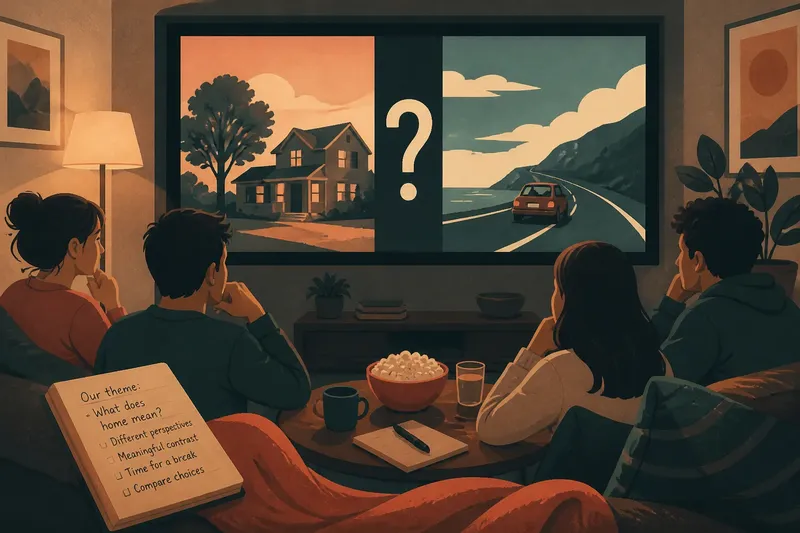
You have two films queued, but the evening feels more inviting if they speak to each other. Planning a double feature around a shared theme gives the night a simple shape: choose a question, watch two different answers and leave a little quiet between them.
The theme need not be grand. “What does home mean?” can connect a domestic drama with a road film; “Can ambition survive compromise?” might pair stories about artists in very different settings. The aim is not to prove that the films are alike. It is to give your attention somewhere useful to go.
What makes a shared theme work for a double feature?
A good shared theme is a question both films can approach, rather than a label that merely describes their subject. “Films about hospitals” identifies a setting. “Who gets to make decisions when someone is ill?” points towards a tension that characters may handle in contrasting ways.
Try to phrase your theme as a question before choosing the films. It should be broad enough to include both, yet specific enough to guide what you notice. Useful prompts include:
- What does a character owe their family?
- Can a community welcome an outsider without changing?
- What happens when a person gains the power they wanted?
- How does a place shape the people who leave it?
Then check that each film offers a distinct angle. Two stories can share a question while differing in genre, period, tone or point of view. That difference is where conversation often begins.
How do you choose two films that genuinely connect?
Start with films you already know, or with a film you want to introduce to your viewing group. Familiarity can make one half easier to discuss, while a new discovery keeps the evening from feeling like a repeat. Pick the second film by looking for a meaningful contrast, not a close imitation.
For instance, imagine you choose a quiet family drama because it asks whether staying in one place is an act of care or fear. You could pair it with a comic road story in which leaving home brings a character closer to their family. The shared question is clear, but the films can reach opposite conclusions through different moods and journeys.
Before settling on a pair, check practical fit as well as thematic fit. Consider whether the films are available to your group, whether their tones will sit comfortably together, and whether you have enough of the evening to watch them without rushing. A demanding first film followed by another equally intense one may be a lot to absorb; a lighter second choice can give the night a different texture.
There is no need to hunt down a perfect match or build a long list of connections. That effort can turn a relaxed evening into homework. One clear question and one worthwhile contrast are enough.
Which film should you watch first?
Choose the order according to the experience you want, not a rule that one kind of film must always come first. Starting with the more accessible or shorter-feeling film can help everyone settle in. Opening with the film that raises the central question most clearly can give the second one a useful point of comparison.
Think about what the group will carry from the first film into the next. If the first film has a striking ending, it may dominate the conversation and make the second feel like an afterthought. If the second film complicates the first film’s answer, placing it last can leave the group with a fresh question to discuss.
For a light-touch plan, write down one reason for the order: “Start with the intimate story; finish with the wider social view.” That sentence is enough to keep the sequence intentional. You can still change it if someone in the group has a strong preference or the evening’s energy calls for it.
How long should the pause between films be?
Leave a genuine break, long enough for people to stand, get a drink or step outside, but not so long that the evening loses its thread. The right interval depends on your group and the films. Avoid scheduling the pause so tightly that everyone has to rush straight from the credits to the next opening scene.
Keep the break between films, rather than turning it into a full discussion of the first one. A quick reaction can be welcome, but a detailed debate may settle everyone’s interpretation before they have seen the second half of the pairing. If one person wants to talk, ask a light question such as, “What image stayed with you?” and leave the larger comparison for later.
It also helps to make the pause comfortable without making it elaborate. Put water or tea within reach, let the room get some air, and agree whether the next film begins after a flexible break or at a time everyone can see. The pause is part of the plan; it does not need its own entertainment.
What should you compare after both films?
Return to the question you chose, then ask how each film answered it. Compare choices rather than scoring the films against one another. One might treat leaving as liberation, while the other presents staying as a deliberate form of love. Both readings can be useful even if the group prefers one film.
For a focused conversation, choose a few prompts and let the answers develop naturally:
- Which character had the most freedom to act, and what limited that freedom?
- Did the setting make the theme feel intimate, public or something between the two?
- What did each ending leave unresolved?
- Did the second film change how you understood a moment in the first?
People need not remember every plot detail. A scene, a gesture or a change in tone can be enough to explain a response. If your group disagrees, ask what each person noticed rather than trying to settle on one correct interpretation.
What questions help tailor a themed double feature?
Can the two films be from different genres?
Yes. A comedy and a thriller can share a question about trust, responsibility or belonging. The contrast may make the theme easier to see because each genre handles tension in its own way.
Should everyone watch both films for the first time?
No. A familiar film can give one person a confident starting point, while another viewer may notice details they missed before. If someone knows a major plot turn, agree on whether to mention it before the other film has been seen.
What if the films have very different lengths?
Consider the whole evening, including the break and the time people need to arrive or leave. If the pairing feels too long for the available window, choose a different film rather than making the comparison feel hurried.
Does a double feature need a formal discussion afterwards?
No. A brief exchange over a drink can be enough, and some groups will prefer simply to watch and sit with the films. Keep a question in reserve, so conversation has somewhere to begin if people want it.
How can you keep the evening relaxed?
Share the theme and the running order beforehand, but do not tell guests what they are supposed to conclude. Make clear whether the plan is to talk between films, after both, or only if conversation happens naturally. That small expectation-setting can help quieter viewers feel no pressure to perform a clever analysis.
Keep the practical arrangements simple. Check that both films are ready to play, settle captions and sound before the group arrives, and have a second viewing option in mind in case a film is unavailable. Follow the instructions on the relevant service or equipment where needed; the aim is to avoid interruptions, not to turn preparation into a technical project.
For planning a double feature around a shared theme, a useful final check is simple: can you name the question, explain why each film belongs, and say why you chose that order? If so, the evening has a clear shape while leaving room for surprise. Once the second film ends, let the conversation follow what people actually noticed; the best comparison may be one nobody planned in advance.